AB coaching: working with lndufarm to reduce antibiotics and improve results
In today's poultry sector, health, sustainability and market requirements are becoming increasingly important. Poultry farmers know better than anyone that responsible use of antibiotics is not only a social necessity, but also has a direct impact on the value and marketability of their product. lndufarm, a specialist in products and services that improve hygiene standards on livestock farms, is actively committed to supporting businesses through knowledge, products and guidance. As part of this mission, Indufarm contacted the current AB coaches, which led to the following conversation with Joy, poultry advisor at Indufarm, and Tommy Van Limbergen, European poultry specialist and certified AB coach, about the process that helps livestock farmers to structurally reduce their use of antibiotics.
What is AB coaching?
AB coaching is part of a mandatory programme for poultry farmers who receive a 'red' report from the AB register as a result of prolonged high antibiotic use. This can have serious economic consequences: farms risk being excluded from the Belplume quality manual, making their chickens more difficult to sell, especially for export. "A red status significantly undermines the value of your product. Without a label, it becomes much more difficult to sell your animals quickly," explains Tommy.
The programme was set up in collaboration with the government and Bel plume and requires livestock farmers to engage a certified AB coach in such situations.
These coaches, such as Tommy, guide companies in reducing their antibiotic use without compromising production.
in gevaar te brengen.
lndufarm takes an active approach to supporting livestock farmers throughout their journey. "We combine in-depth expertise with practical solutions that can be applied directly in the field, from customised cleaning and disinfection protocols, feed management and water treatment systems to tailored guidance for each business," says Joy.
Why does a
AB coaching programme start?
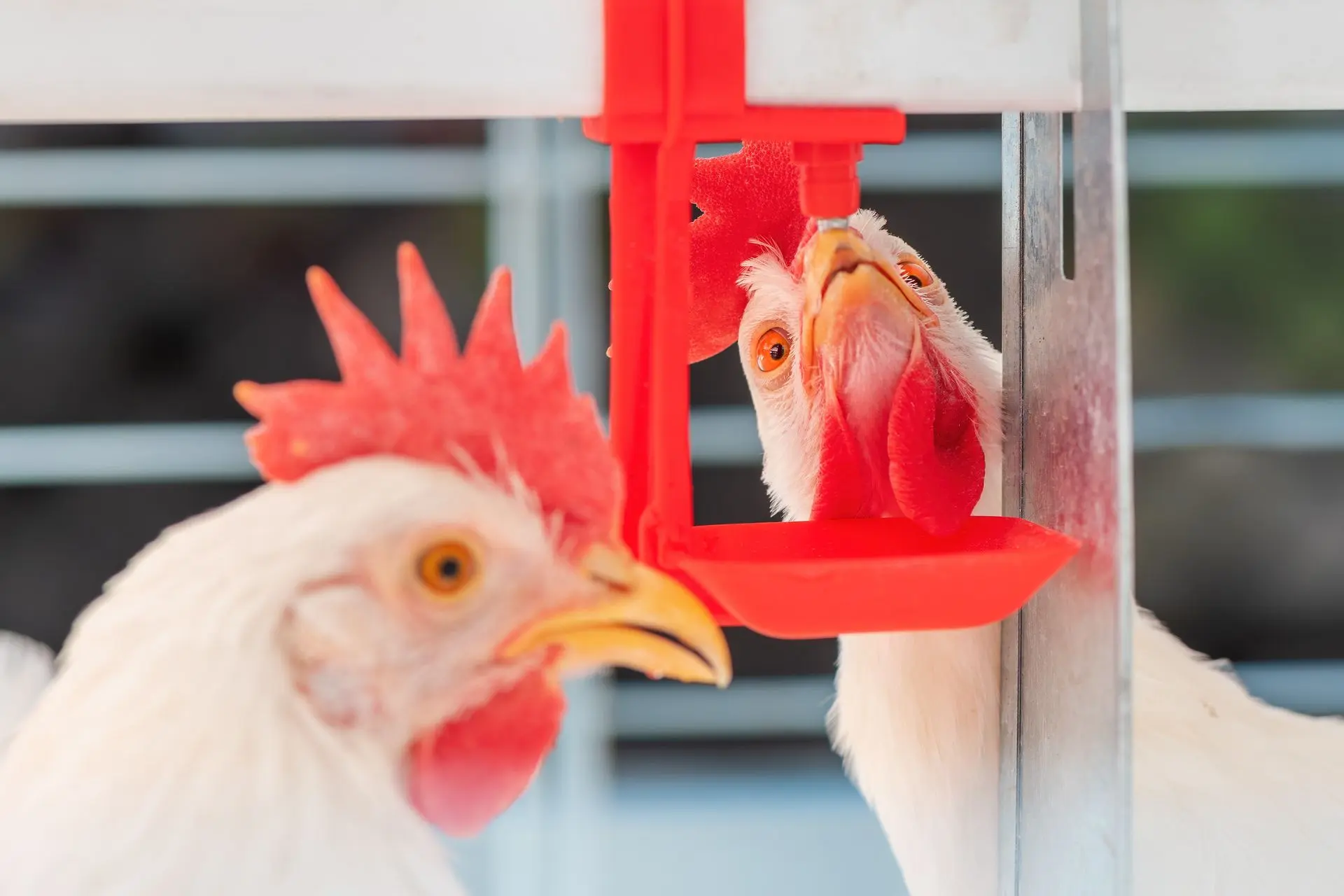
According to Tommy, it is often a combination of factors. "You mainly see ingrained habits, because that's how things have always been done, a bit of corporate blindness to a number of issues." Technical and management problems also play a role, such as poor water quality, inadequate ventilation or hygiene issues. "Every day, we see how small improvements in barn management can have a big impact," says Tommy.
By offering solutions such as high-quality cleaning products, water purification systems and additives for improved intestinal health, lndufarm can help livestock farmers to structurally incorporate preventive measures into their business operations. Sometimes businesses are affected by external factors, such as delays in obtaining permits for stable renovations, which means that infrastructure cannot be replaced on time. "Then you find yourself stuck in a situation that is difficult to resolve without help," says Tommy.
Breaking habits: a realistic approach
The real work begins when the coach sits down with the livestock farmer. "My approach is pragmatic: we focus on reducing peaks and improving structural bottlenecks," says Tommy. He emphasises that change often starts small, for example with improving drinking water quality or litter management. During coaching, we always work together with the company veterinarian, who can explain various aspects of the business and the background of certain problems.
An important aspect is awareness. "Some livestock farmers are unaware of the impact of their routines," says Tommy. "By optimising simple things, such as cleaning and disinfecting the barn and drinking water system correctly and on time when it is empty, you can already make a big difference."
"Such changes require guidance and accurate information. We therefore make it a point of honour to design the right products and installations tailored to the livestock farm," says Joy. "We offer a wide range of products and techniques, from disinfectants to feed additives." This makes it relatively easy for livestock farmers to reduce their use of antibiotics. "It's also true that major investments are not always necessary to improve performance," explains Joy.
Results-oriented working: from red to green
Clear objectives are agreed upon during the process. "We always work with measurable results," says Tommy. "For example: which treatments yield the most BD100 points? Where can we make gains in the short term?" On average, companies are given a year to evolve from red to orange or green.
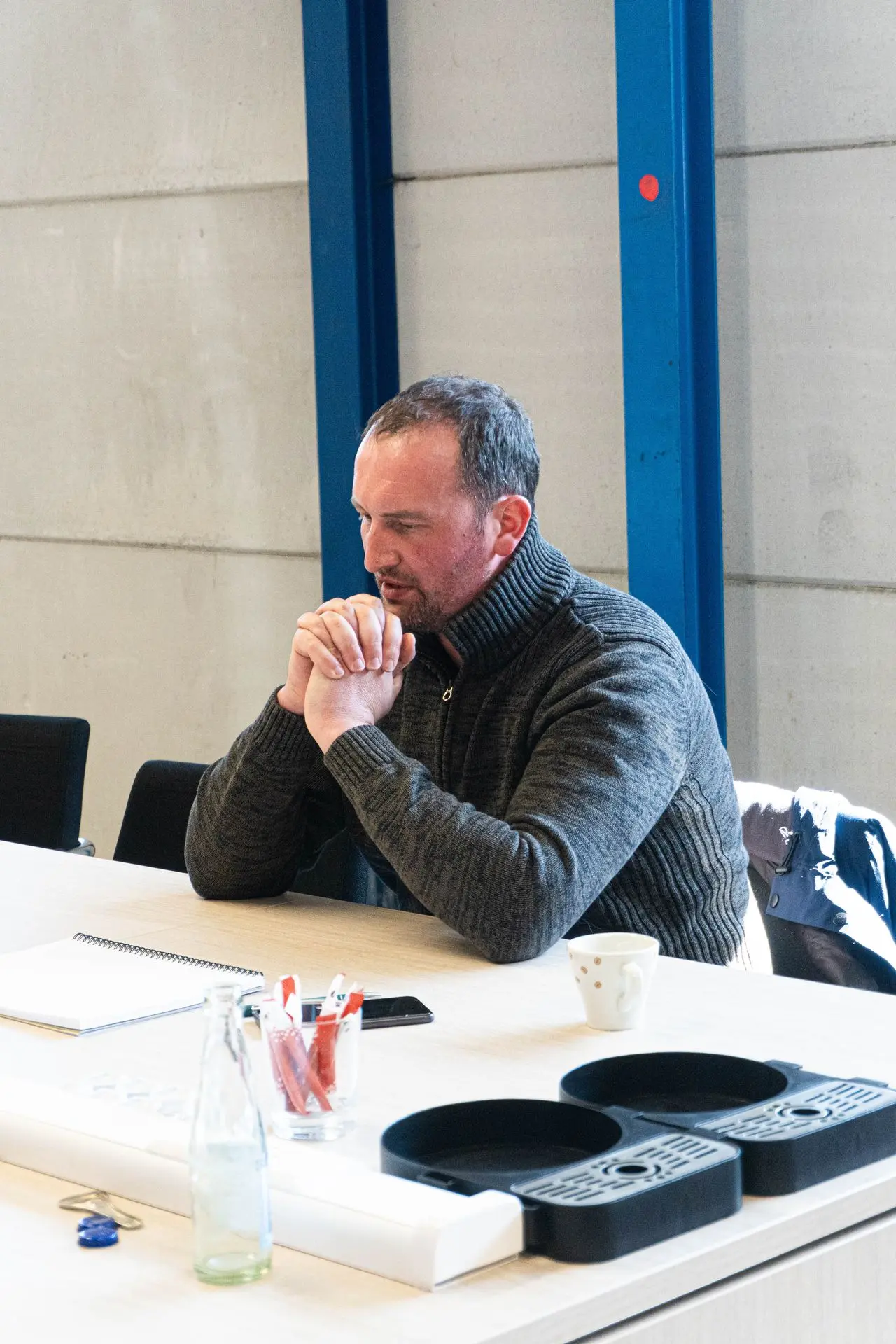
"The trend is important: as long as we see a downward trend and improvements are being made, we can move forward," says Tommy.
As part of an ongoing AB coaching programme, lndufarm acts as a partner to livestock farmers in achieving their desired results. By providing solutions that can be implemented immediately, lndufarm lowers the threshold for structural improvement. Working together for better agriculture AB coaching is not a sanction, but an opportunity to make the business more future-proof. With the right guidance and resources – such as those offered by lndufarm – every poultry farmer can take realistic steps towards more sustainable business practices with fewer antibiotics and better results.
"Indufarm believes in 'Together for Better Farming'. Thanks to our experience, product range and coaching support, companies can effectively raise the bar and arm themselves for the challenges of the future," concludes Joy.
For more information: call us at +32(0)5162 42 45
All contact details for the AB coaches can be found on the Belplume website.