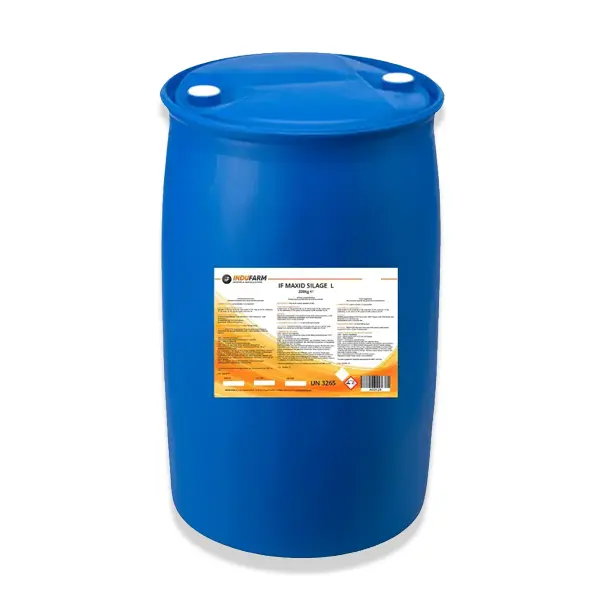
IF Maxid Silage (TMR)
This product is produced in accordance with the FCA standard, interchangeable with GMP+. Sold feed will not be returned.
IF Maxid Silage – fresh forage, increased intake
For cattle
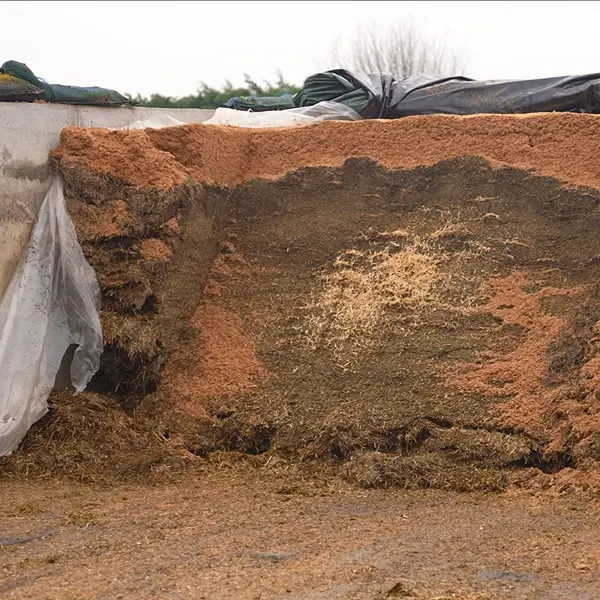
IF Maxid Silage prevents heating and mould in silage and in the cut and top layer.
Benefits in the barn:
• Less loss of dry matter
• Improved palatability
• Increased feed intake
• In practice: often an extra litre of milk per cow per day
Applications:
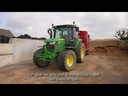
• In the feed mixer
• On the cutting surface & top layer
Dosage:
• Winter: T<20°C 1 litre per tonne of feed mixture
• Summer: T>20°C 2 litres per tonne of feed mixture
In practice, we are currently seeing many problems with heating and/or mould growth in silage pits. If the temperature of the silage layer is, for example, 10 °C higher than the ambient temperature, 15–20% of the dry matter in the silage layer is lost each week. Expressed in terms of feed value, this loss will be even higher because yeasts and bacteria naturally break down the most digestible components first. Mould growth in the silage can result from heating, but may also have other causes. Moulds cause losses and can produce mycotoxins that are certainly not harmless to livestock. Various causes can be cited for these problems. Often, the basic rules regarding silage filling and removal are not followed. If heating then occurs, one may resort to silage additives; such an additive is also applicable in the feed mixer.
IF Maxid Silage is a supplementary feed based on a combination of buffered organic acids, specially developed to prevent heating in cattle rations.
IF Maxid Silage has the highest propionic acid content on the market, twice that of other formulations.
High temperatures, moisture and oxygen are three key factors that can lead to silage heating. Silage heating reduces the quality and palatability of the feed, which can result in reduced feed intake and nutrient deficiencies. In addition, it allows undesirable bacteria, yeasts and moulds to multiply rapidly and potentially produce toxins.
Dietary supplements and organic acids have been used for over 50 years to combat bacterial and fungal growth in feed, thereby helping to maintain the hygienic status and, consequently, the quality of (silage) feed. Thanks to their preservative effect, the nutritional value of the silage is retained, leading to more stable animal health and improved performance.
IF Maxid Silage is successfully used to prevent heating, resulting in fresh and palatable (silage) feed that retains its nutritional value.
Composition: Formic acid, acetic acid, propionic acid (twice as much as other products on the market!), lactic acid, benzoic acid and sorbic acid.
Dosage:
- 1–2 kg per tonne of feed, depending on temperature, dry matter content and ration. If the silage is very dry (high dry matter content), add the same amount of water to the Maxid Silage.
- Temperature below 20°C: 1 kg per tonne of feed
- Temperature above 20°C: 2 kg per tonne of feed
- 0.25 L/m² of cut surface. Add the same amount of water to allow Maxid Silage to penetrate the cut layer.
- 0.5 L/m² of top layer of silage. Add the same amount of water to allow IF Maxid Silage to penetrate the top layer.
| Brand:: Indufarm |
Alternative Products
Your Dynamic Snippet will be displayed here...
This message is displayed because youy did not provide both a filter and a template to use.